照明機器の品質
保証期間について
保証期間:当社出荷日より2年間(※)
上記に定める保証期間内に万一当社製品に故障が発生した場合、もしくは照明機器の放射出力が50%に低下した場合は、「保証範囲」に定める通り無償修理又は代品交換をさせていただきます。該当製品をご提示の上、当社までお申し付けください。
※但し、放射出力半減までの保証については当社出荷日より1年
Smart Vision Lights社製品の保証期間について
保証期間:当社出荷日より最大10年間(※)
当社より購入したSmart Vision Lights社照明機器に故障が発生した場合は、下記条項と「保証範囲」に定める通り無償修理又は代品交換をさせていただきます。該当製品をご提示の上、当社までお申し付けください。
該当製品をSVL社の製品登録に登録頂いた方を対象として、故障が発生した場合の保証を当社出荷日より10年とさせていただきます。
該当製品がSVL社の製品登録に未登録の場合、故障が発生した場合の保証を当社出荷日より5年とさせていただきます。
照明機器の放射出力が50%に低下した場合の保証については、当社出荷日より3年とさせていただきます。
製品筐体のTスロット部の保証については、当社出荷日より3年とさせていただきます。
SVL社の製品登録についてはこちらから登録が可能です。
保証範囲
取扱説明書に従った当社指定の使用条件のもとで、保証期間内に万一故障が発生した場合は、無償にて故障個所の修理又は代品交換をさせていただきます。但し、保証期間内であっても次の場合は有償となります。
- 当社製品以外の照明機器もしくは電源を接続したことにより生じた故障や損傷の場合
- 使用上の誤り及び不当な修理・改造・分解による故障や損傷の場合
- 火災・公害・暴動等の発生及び、地震・雷・水害その他の天災地変などの外部の要因または、特異な環境下(異常電圧、高温多湿等)での使用による故障や損傷の場合
- その他、その責が当社にない場合
責任の制限
当社製品の故障または損傷に起因するお客様での二次災害(装置の損傷・機会損失・逸失利益など)および、いかなる損害も補償の対象外とさせていただきます。)
保証の制限
「製品保証」は、明示した保証期間及び条件のもとで上記に記載の保証内容をお約束するものです。
従いまして、明示、黙示を問わず、その他の一切の保証を行うものではありません。
弊社製品は主に画像処理および工業用検査への使用を前提として設計されています。
以下のような状況で使用される場合には、当保証は適用外とさせていただきます。
- 人身の損傷に至る可能性のある用途(原子力制御、鉄道、航空、安全機器や、特に信頼性が求められる用途への使用)
- 人命に直接関わる医療用機器への使用
- 財産に大きな影響が予測される用途への使用
照明機器の動作環境
照明
周囲温度:0〜+40℃

周囲湿度:35〜85%No condensation
コントローラ
周囲温度:0〜+40℃
周囲湿度:20〜70%No condensation
ケーブル
周囲温度:0〜+40℃
周囲湿度:35〜75%No condensation
上記は代表値であり、全ての製品が該当するわけでは御座いません。ご使用の前には取扱説明書を良くお読みの上、正しくお使い下さい。
照明機器の使用上の注意
- 光源を直視しないでください。
- 照明/コントローラを分解/改造しないで下さい。
- 濡れた手で稼動中の製品に触れないで下さい。
- 高温/多湿/飛沫環境では未対策品を使用しないで下さい。
- 粉塵の多い場所への設置は避けて下さい。
- 放熱/冷却などの配慮をして下さい。
- 照明をできるだけワーク近くに設置して下さい。
- 必要最小出力/点滅使用などを心掛けて下さい。
- 他社の電源での点灯使用はしないで下さい。
- 照明/コントローラともに入力電圧の合致を確認して下さい。
- コントローラ容量は照明の消費電力以上か確認して下さい。
- AC電源は動力/電磁弁等とは別の電源から取って下さい。
- 設置場所周辺のサージ/ノイズに注意して下さい。
- 照明/コントローラからノイズが発生する場合があります。
- アース端子のあるコントローラはアースを取って下さい。
- 照明取付時はネジ深さ指示ラベルに従ってください。
お手入れについて
- お手入れのときは、必ず電源を切り、本製品が十分に冷えた状態で行ってください。感電ややけどの恐れがあります。
- シンナーやベンジンなど揮発性のものを使用して拭かないで下さい。変色や破損の原因になります。
- 本体は、乾いた柔らかい布で拭いてください。発光面は特に傷つきやすいので、エアーブローまたはメガネ拭き等の柔らかい布をご使用ください。
- 汚れがひどいときは、柔らかい布を薄めた中性洗剤につけてよく絞ってから拭きとり、さらに洗剤成分が残らないようによく絞った水拭き用の柔らかい布で仕上げてください。
照明機器の環境対応
環境方針
当社は「ものづくり」の研究開発型企業として社会に貢献し、次の方針による環境マネジメントシステムを構築します。
- 「ものづくり」の原点として社会的責任である「地球環境への負荷を最小限にすること」につき継続的改善に取り組みます。
- 「ものづくり」への創造的挑戦として地球環境を豊かにするような製品の創造に努めます。
- 関連する法規制・地域との協定などの遵守につとめます。
- 環境保全活動として次の課題に取り組みます。
- 環境問題改善を促す及び長寿命化製品の開発/推奨販売
- 廃棄物の低減
- 省エネルギーの意識付けと実施
- 本環境方針を実行・維持していくために全従業員並びに供給者や請負者に周知し、広く一般に公開することで環境に対する意識が向上するようつとめます。
改正RoHS指令(2011/65/EU+(EU)2015/863) 対応
環境配慮製品の供給に係る化学物質の使用規制として、鉛などの有害6物質の使用に制限を加えた改正RoHS指令(2011/65/EU)は、追加事項(EU)2015/863に定めたフタル酸類4物質を規制に追加して10物質の規制として施行・運用されております。
また、改正RoHS指令に対してフタル酸類4物質の追加とその適用時期を定めた追加事項(EU)2015/863が2015年6月4日に公布され、2019年7月22日から適用となっております。
(レイマックのLED照明/コントローラなどは監視・制御機器のカテゴリにあたり、2021年7月22日から対応)
当社製品は、改正RoHS指令の有害6物質に対してほぼ全ての製品で2007年4月に、追加4物質を含む10物質に対して一部を除くカタログ掲載の標準品で2021年7月に対象10物質閾値内(適用除外項目は除く)対応を完了しております。
各製品の改正RoHS指令対応状況につきましては、当社HP内の個々の製品ページに記載されている規格項のRoHS2マークをご確認頂くか、当社営業担当までお問い合わせをお願いします。
RoHS2マーク
 RoHS2の10物質閾値内(適用除外項目は除く)
改正RoHS指令(2011/65/EU)に記載の使用制限6物質
- 鉛
- 1000ppm以下
- 水銀
- 1000ppm以下
- カドミウム
- 100ppm以下
- 六価クロム
- 1000ppm以下
- ポリ臭化ビフェニル (PBB)
- 1000ppm以下
- ポリ臭化ジフェニルエーテル (PBDE)
- 1000ppm以下
適用除外は除く
追加事項(EU)2015/863に記載の使用制限4物質
- フタル酸ジ-2-エチルヘキシル (DEHP)
- 1000ppm以下
- フタル酸ブチルベンジル (BBP)
- 1000ppm以下
- フタル酸ジ-n-ブチル (DBP)
- 1000ppm以下
- フタル酸ジイソブチル (DIBP)
- 1000ppm以下
適用除外は除く
中国版RoHS指令対応
中国版RoHS指令とは2007年3月1日から中国で施行された「電器電子製品有害物質使用制限管理弁法」のことを指します。
欧州で施行されたRoHS指令と同様、鉛・水銀・カドミウム・六価クロム・ポリ臭化ビフェニル(PBB)・ポリ臭化ビフェニルエーテル(PBDE)の6物質を規制対象としています。
中国国内で生産、販売、輸入された電子情報製品において、規制対象となる6物質の含有情報を明示するよう義務付けられています。
弊社製品では、使用している部品によって含有情報が異なりますので、各製品ページに記載されている有害物質使用制限マークをご確認ください。
有害物質使用制限マーク
 対象物質非含有
 対象物質含有※数字は環境保護使用期限を示す
表1 有害物質名称と含有量の提示
有害物質
使用制限マーク
|
有害物質の名称 |
| 鉛 |
水銀 |
カドミウム |
六価クロム |
ポリ臭素化
ビフェニル
(PBB)
|
ポリ臭素化
ジフェニルエーテル
(PBDE)
|
| ○ |
○ |
○ |
○ |
○ |
○ |
(本表はSJ/T11364の規定に基づき作成。)
○:当該部品のすべての均質材料において、この有毒有害物質の含有量がGB/T26572-2011標準で定める制限要求量以下であることを示す。
×:当該部品のうちいずれかの均質材料において、この有毒有害物質の含有量がGB/T26572-2011標準で定める制限要求量を超過していることを示す。
有害物质
限制的标志
|
有害物质的名称 |
| 铅 |
汞 |
镉 |
六价铬 |
ポリ臭素化
多溴联苯
(PBB)
|
ポリ臭素化
多溴二苯醚
(PBDE)
|
| ○ |
○ |
○ |
○ |
○ |
○ |
(本表格依据SJ / T11364的规定编制。)
○:表示该有毒有害物质在该部件所有均质材料中的含量均在GB / T26572-2011标准规定的限量要求以下。
×:表示该有毒有害物质至少在该部件的某一均质材料中的含量超出GB / T26572-2011标准规定的限量要求。
表2 部品名称別有害物質名称と含有量の提示:スイッチング電源有
IDGCシリーズ・IPPAシリーズ・IDCAシリーズ・IMCシリーズ・IWDV-24シリーズ・IWDV-48シリーズ・IJSシリーズ・SAGシリーズ
有害物質
使用制限マーク
|
有害物質の名称 |
| 鉛 |
水銀 |
カドミウム |
六価クロム |
ポリ臭素化
ビフェニル
(PBB)
|
ポリ臭素化
ジフェニルエーテル
(PBDE)
|
| 部品名称 |
プリント基盤 |
✕ |
○ |
○ |
○ |
○ |
○ |
| 筐体 |
○ |
○ |
○ |
○ |
○ |
○ |
| コントローラ |
✕ |
○ |
○ |
○ |
○ |
○ |
その他
(電線等)
|
○ |
○ |
○ |
○ |
○ |
○ |
(本表はSJ/T11364の規定に基づき作成。)
○:当該部品のすべての均質材料において、この有毒有害物質の含有量がGB/T26572-2011標準で定める制限要求量以下であることを示す。
×:当該部品のうちいずれかの均質材料において、この有毒有害物質の含有量がGB/T26572-2011標準で定める制限要求量を超過していることを示す。
有害物质
限制的标志
|
有害物质的名称 |
| 铅 |
汞 |
镉 |
六价铬 |
ポリ臭素化
多溴联苯
(PBB)
|
ポリ臭素化
多溴二苯醚
(PBDE)
|
| 部件名称 |
印刷基板 |
✕ |
○ |
○ |
○ |
○ |
○ |
| 框架 |
○ |
○ |
○ |
○ |
○ |
○ |
| 电源 |
✕ |
○ |
○ |
○ |
○ |
○ |
其他
(电缆等)
|
○ |
○ |
○ |
○ |
○ |
○ |
(本表格依据SJ / T11364的规定编制。)
○:表示该有毒有害物质在该部件所有均质材料中的含量均在GB / T26572-2011标准规定的限量要求以下。
×:表示该有毒有害物质至少在该部件的某一均质材料中的含量超出GB / T26572-2011标准规定的限量要求。
表3 部品名称別有害物質名称と含有量の提示:スイッチング電源無
ILPシリーズ・IDMUシリーズ・IPPAシリーズ・IRPAシリーズ・ILCシリーズ・ILC-24シリーズ・IRCシリーズ・IRC-24シリーズ・ILVシリーズ・ILSシリーズ・IPSAシリーズ
有害物質
使用制限マーク
|
有害物質の名称 |
| 鉛 |
水銀 |
カドミウム |
六価クロム |
ポリ臭素化
ビフェニル
(PBB)
|
ポリ臭素化
ジフェニルエーテル
(PBDE)
|
| 部品名称 |
プリント基盤 |
✕ |
○ |
○ |
○ |
○ |
○ |
| 筐体 |
○ |
○ |
○ |
○ |
○ |
○ |
その他
(電線等)
|
○ |
○ |
○ |
○ |
○ |
○ |
(本表はSJ/T11364の規定に基づき作成。)
○:当該部品のすべての均質材料において、この有毒有害物質の含有量がGB/T26572-2011標準で定める制限要求量以下であることを示す。
×:当該部品のうちいずれかの均質材料において、この有毒有害物質の含有量がGB/T26572-2011標準で定める制限要求量を超過していることを示す。
有害物质
限制的标志
|
有害物质的名称 |
| 铅 |
汞 |
镉 |
六价铬 |
ポリ臭素化
多溴联苯
(PBB)
|
ポリ臭素化
多溴二苯醚
(PBDE)
|
| 部件名称 |
印刷基板 |
✕ |
○ |
○ |
○ |
○ |
○ |
| 框架 |
○ |
○ |
○ |
○ |
○ |
○ |
其他
(电缆等)
|
○ |
○ |
○ |
○ |
○ |
○ |
(本表格依据SJ / T11364的规定编制。)
○:表示该有毒有害物质在该部件所有均质材料中的含量均在GB / T26572-2011标准规定的限量要求以下。
×:表示该有毒有害物质至少在该部件的某一均质材料中的含量超出GB / T26572-2011标准规定的限量要求。
米国 有害物質規制法(TSCA)対応
米国有害物質規制法(TSCA) 対象物質含有製品の弊社対応について下記の通りご報告いたします。
弊社製品の一部において、PIP(3:1)含有封止樹脂使用フィルムコンデンサ搭載電源の使用を確認しております。
弊社製品に搭載している各電源メーカーより、PIP(3:1)未含有の封止樹脂を使用したフィルムコンデンサへの切り替えをおこなう案内をいただいております。
電源メーカー及び部品型式によって対応時期(2021年10月~2023年1月までに生産切り替え予定)が異なっており、弊社への対応品入荷及び社内在庫の状況により、順次生産切り替えをおこない、2024年1月迄に全ての機種の対応を予定しております。
また、封止樹脂の違いによるフィルムコンデンサへの変更に伴う弊社製品の型式、仕様、安全規格などの変更はございません。
切り替え迄の間に当該製品を米国有害物質規制法(TSCA)適用地域へ流通される場合、案内PDFを参照いただき、「規則セクション§751.407、PIP(3:1)(e)川下への通知」にご留意頂きますようお願い申し上げます。弊社製品の切り替え状況につきましては個別に弊社各担当営業窓口までご連絡をお願いいたします。
対象製品
含有部品を搭載する弊社調光コントローラー標準品、カスタム品、OEM品
(詳細につきましては、案内PDF 別紙 対象機種を参照願います。※カスタム品・OEM品は未記載)
含有状況
- 含有物質
- PIP(3:1)リン酸トリアリールイソプロピル化物(別名:リン酸トリス(イソプロピルフェニル))
(CAS:68937-41-7)
- 対象部品、含有部位
- 対象部品:AC/DCスイッチング電源のフィルムコンデンサ
対象部位:封止用ウレタン系樹脂
- TSCA 規制内容
- §751.407 PIP(3:1)の(a)(2)(i)の「接着剤及び封止剤」に該当し、2025年1月6日以降
商業的流通が禁止されます。
- 対象機種
-
案内PDF 別紙 対象機種
規格について
CEマーキングについて
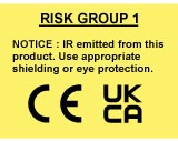
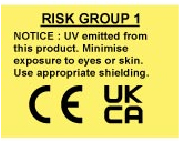
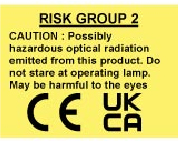
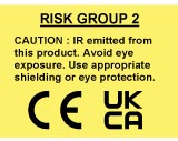
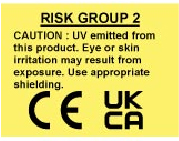
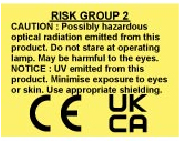
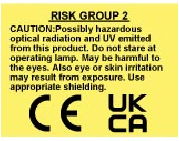
LED製品は、IEC62471「ランプ及びランプシステムの光生物学的安全性に関する規格」(国際電気委員会(IED):2006年制定)の適用範囲に含まれており、 生物学的障害の度合いに応じて、次のようなリスクグループに分類されます。
UKCAについて
UKCA(UK適合性評価済み)マークは、グレートブリテン島(イングランド、ウェールズ、スコットランド)の市場に出される商品に適用される安全基準の適合証明マークです。
本製品にUKCAマークの記載があるものは、満たす必要のある技術要求(必須要求事項)、及び適合性を実証するために使用できる適合性評価プロセスと規格基準に適合しています。
ULについて
弊社のLED照明、延長ケーブルは、DC48V以下で使用するため、計測,制御及び試験所用電気機器の安全規格UL61010-1の 6.3.1 a)項の電圧レベル以下であることから、米国の安全規格の対象外と判断します。
LED照明用コントローラは、安全規格に該当する機種ではありますが、強制認証規格ではないため、取得する予定はございません。
電気用品安全法(PSE)について
本製品にPSEマーク記載があるものは、特定電気用品(直流電源装置)省令第一項技術基準に適合しています。
中国強制製品認証(CCC)について
本製品にPSEマーク記載があるものは、特定電気用品(直流電源装置)省令第一項技術基準に適合しています。